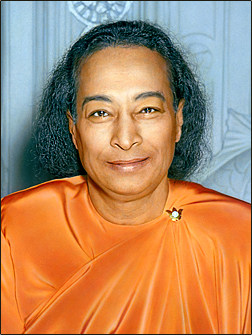
The Power of Environment: A Pathway to Inner Strength
Paramahansa Yogananda's assertion that "Environment is stronger than willpower. To avoid temptation is easier than to resist it" invites us to reflect on the profound influence our surroundings exert on our choices and behaviors. This statement underscores a crucial aspect of human experience: the interplay between external conditions and internal resolve. In a world rife with distractions and temptations, understanding this dynamic becomes essential for cultivating a life of purpose and integrity.
Yogananda's wisdom resonates deeply in our contemporary context, where the barrage of stimuli can easily overwhelm even the most determined individuals. The essence of his message is not merely about the fragility of willpower but rather about the necessity of creating an environment conducive to our highest aspirations. By recognizing that our surroundings shape our thoughts and actions, we can take proactive steps to design a life that aligns with our spiritual and personal goals.
The image / the metaphor
The imagery in Yogananda's quote evokes a vivid landscape where the forces of environment loom large, overshadowing the solitary strength of willpower. The choice of the word "stronger" suggests a battle, one where the external world holds an undeniable advantage over the internal struggle of the individual. This metaphor paints a picture of a river flowing with relentless current, where a person attempting to swim upstream against the tide may find their efforts futile without the right conditions to support their journey.
Diving deeper into this metaphor, we can see that the environment is not merely a backdrop but an active participant in our lives. It encompasses the people we surround ourselves with, the spaces we inhabit, and the cultural narratives we engage in. Just as a plant thrives in fertile soil, so too do our intentions flourish when nurtured by a supportive environment. This understanding invites us to cultivate spaces that resonate with our values and aspirations, thereby reducing the need for constant resistance against temptation.
In the speaker's tradition
Within the rich tapestry of Hindu philosophy, Yogananda's insight aligns with the concept of dharma, which emphasizes living in accordance with one's true nature and purpose. The notion that our environment can either support or hinder our dharma speaks to the importance of surrounding ourselves with influences that uplift and inspire. Additionally, the idea of kenosis, or self-emptying, suggests that by letting go of attachments to negative environments, we create space for spiritual growth and transformation.
In the Bhagavad Gita, a foundational text of Hindu thought, Lord Krishna advises Arjuna on the significance of aligning one's actions with a higher purpose. This guidance echoes Yogananda's assertion, as Krishna emphasizes the importance of discernment in choosing one's environment and companions. By fostering an awareness of the energies we invite into our lives, we can better navigate the complexities of existence and remain steadfast on our spiritual path.
Living the teaching
Consider a modern scenario where an individual grapples with the temptation to indulge in unhealthy habits, such as excessive screen time or unhealthy eating. In this context, Yogananda's teaching becomes a practical guide: rather than relying solely on willpower to resist these temptations, one might choose to create an environment that naturally discourages such behaviors. This could involve setting boundaries around technology use, filling the kitchen with nourishing foods, or engaging in activities that promote well-being, thereby reducing the likelihood of succumbing to temptation.
In relationships, the application of this teaching can be equally transformative. Imagine a partnership where one person struggles with negative thought patterns or self-doubt. By consciously cultivating a supportive environment—through affirmations, open communication, and shared activities that foster positivity—both individuals can create a space that nurtures growth and resilience. In this way, the environment becomes a sanctuary that reinforces the commitment to uplift one another, illustrating the profound impact of external influences on our inner lives.
A reflection
As we contemplate Yogananda's profound insight, we are invited to ask ourselves: "What environments am I currently nurturing in my life, and how do they align with my deepest values and aspirations?" This question encourages a thoughtful examination of the spaces we inhabit, both physically and emotionally. By reflecting on the influences that surround us, we can begin to make conscious choices that support our journey toward greater fulfillment and spiritual awakening.



