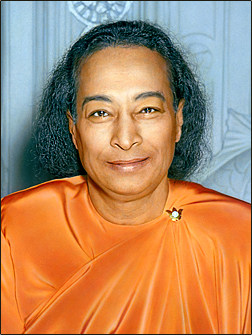
The Vibrational Echo of Thought
Paramahansa Yogananda's assertion that "Every thought we think sets up a vibration in the body" invites us to consider the profound impact of our mental landscape on our physical and emotional well-being. This statement underscores the interconnectedness of mind and body, suggesting that our thoughts are not mere abstractions but rather potent forces that shape our reality. The implications of this idea are vast, as it implies that our health, success, and overall life experience are deeply influenced by the quality of our thoughts.
In a world often dominated by external circumstances and material pursuits, Yogananda's words remind us to turn inward and examine the vibrational quality of our inner dialogue. By recognizing that our mental states can manifest as tangible experiences—whether health or disease, success or failure—we are called to cultivate mindfulness and intentionality in our thinking. This awareness serves as a powerful tool for transformation, inviting us to harness the vibrational energy of our thoughts to create a life aligned with our highest aspirations.
The image / the metaphor
The imagery in Yogananda's quote evokes a sense of resonance, suggesting that thoughts are akin to ripples in a pond, sending out vibrations that affect not only ourselves but also the world around us. The verbs "sets up" and "vibration" imply an active process, where each thought contributes to a larger symphony of existence. This metaphor of vibration encapsulates the idea that our mental states are not isolated; they reverberate through our bodies and into the fabric of our lives, influencing our health and experiences in profound ways.
Diving deeper into this metaphor, we can envision our thoughts as musical notes, each contributing to the overall harmony or discord of our lives. Just as a single note can alter the mood of a melody, so too can a single thought shift our emotional state and physical health. This understanding invites us to become more discerning about the thoughts we entertain, recognizing that they are not just fleeting moments of consciousness but rather powerful vibrations that shape our reality.
In the speaker's tradition
Yogananda's teachings are deeply rooted in the rich tradition of Hindu philosophy, which emphasizes the significance of the mind in shaping our experiences. Concepts such as dharma, or righteous living, and prajna, or wisdom, highlight the importance of aligning our thoughts with higher truths. In this context, the vibrational quality of our thoughts can be seen as a reflection of our adherence to dharma, guiding us toward a life of balance and fulfillment.
Moreover, Yogananda's insights resonate with the teachings found in the Bhagavad Gita, where the mind is described as both a friend and an enemy. The Gita emphasizes the need for self-mastery and the cultivation of a disciplined mind to achieve spiritual growth. This alignment of thought and action is crucial for realizing one's true potential, as it is through the purification of thought that we can transcend the limitations of the ego and experience the unity of all existence.
Living the teaching
Consider a modern scenario where an individual grapples with chronic stress and anxiety. In this case, the teachings of Yogananda can serve as a guiding light, encouraging the individual to examine the thoughts that contribute to their emotional turmoil. By recognizing that negative thought patterns create a vibrational dissonance within the body, the individual can begin to implement practices such as mindfulness meditation or positive affirmations to shift their mental state. This conscious effort to cultivate uplifting thoughts can lead to a profound transformation in their overall health and well-being.
In relationships, the application of Yogananda's teaching becomes equally poignant. Imagine a couple facing conflict due to misunderstandings and negative assumptions about each other. By acknowledging that their thoughts are setting up vibrations that influence their interactions, they can choose to engage in open communication and practice empathy. This shift in mindset not only fosters a healthier relationship dynamic but also creates a more harmonious environment, illustrating the power of thought in shaping our connections with others.
A reflection
As we contemplate Yogananda's assertion about the vibrational nature of thought, we are invited to reflect on the quality of our own inner dialogue. What thoughts are we nurturing, and how do they resonate within our bodies and lives? In this moment of introspection, consider: How can you consciously cultivate thoughts that uplift and empower you, transforming your experiences into a reflection of your highest self?



