The Perfect Earth and Our Imperfect Choices
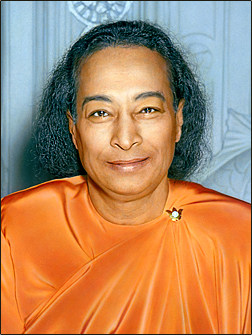
Paramahansa Yogananda's poignant observation, "God made the earth a perfect place, but man has made it otherwise by his wrong thoughts and wrong actions," invites us to reflect on the profound relationship between our inner consciousness and the external world. This statement underscores the idea that while the universe is inherently harmonious, human beings possess the unique ability to disrupt this balance through misguided intentions and behaviors. The stakes are high: our collective well-being hinges on our capacity to align our thoughts and actions with the divine perfection that exists within creation.
In a world increasingly marked by environmental degradation, social injustice, and personal discontent, Yogananda's words resonate with urgency. They challenge us to consider how our individual and collective choices shape the reality we inhabit. The quote serves as both a mirror and a call to action, prompting us to examine the ways in which our thoughts and actions may diverge from the divine blueprint of harmony and peace. In doing so, we are invited to reclaim our responsibility as stewards of the earth and architects of our shared existence.
The image / the metaphor
At the heart of Yogananda's quote lies a vivid imagery that contrasts the perfection of creation with the imperfections introduced by human agency. The phrase "God made the earth a perfect place" evokes a vision of an idyllic world, one that is replete with beauty, balance, and abundance. In juxtaposition, "man has made it otherwise" introduces a sense of dissonance, suggesting that our thoughts and actions can distort the original harmony. The verbs "made" and "otherwise" carry weight, indicating not only the act of creation but also the potential for destruction that lies within human choice.
Diving deeper into the metaphor, we can understand that Yogananda is not merely lamenting the state of the world; he is illuminating the profound connection between consciousness and reality. Our thoughts are not passive; they are active forces that shape our experiences and the world around us. When we engage in "wrong thoughts," we contribute to a collective consciousness that manifests as discord, suffering, and disarray. Conversely, by cultivating "right thoughts," we can align ourselves with the divine order and restore the earth to its intended perfection.
In the speaker's tradition
Yogananda's teachings are deeply rooted in the spiritual tradition of Hinduism, which emphasizes the interconnectedness of all beings and the importance of dharma, or righteous living. The concept of dharma invites individuals to act in accordance with their true nature and the greater good, aligning their thoughts and actions with the cosmic order. In this context, Yogananda's quote serves as a reminder that our personal responsibility extends beyond ourselves; it encompasses our role in the larger tapestry of existence.
Furthermore, the notion of kenosis, or self-emptying, resonates with Yogananda's message. By relinquishing our ego-driven desires and embracing a state of humility, we open ourselves to divine guidance and the wisdom of the universe. This aligns with the teachings found in the Bhagavad Gita, where Krishna imparts the importance of selfless action and the pursuit of higher consciousness. In recognizing our role in the creation of both beauty and chaos, we are called to cultivate awareness and intentionality in our thoughts and actions.
Living the teaching
Consider a modern scenario where Yogananda's teaching comes to life: a community grappling with environmental issues. As individuals become increasingly aware of the impact of their consumption habits, they are faced with a choice. They can either continue to engage in practices that harm the earth—such as excessive waste and pollution—or they can shift their mindset and actions toward sustainability. By embracing a collective commitment to right thoughts and actions, they can transform their community into a model of ecological harmony, reflecting the perfection that Yogananda speaks of.
In a more personal context, imagine a relationship strained by misunderstandings and unkind words. Yogananda's teaching invites us to reflect on how our thoughts shape our interactions. By consciously choosing to cultivate compassion and understanding, we can alter the trajectory of our relationships. This shift not only fosters healing but also aligns our actions with the divine essence of love and connection, illustrating the profound impact of our inner state on our external reality.
A reflection
As we contemplate Yogananda's insightful words, we are left with a poignant question: How can I align my thoughts and actions with the inherent perfection of the earth? This inquiry invites us to engage in self-reflection and mindfulness, encouraging us to examine the ways in which our consciousness influences the world around us. In seeking to embody the harmony that Yogananda describes, we take a step toward becoming conscious co-creators of a more beautiful and just existence.