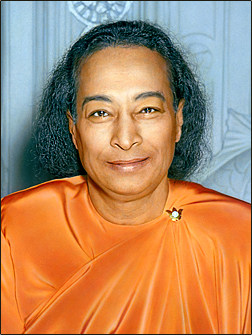
Finding Joy in Nature's Embrace
Paramahansa Yogananda's assertion that "harmony with nature will bring you a happiness known to few city dwellers" invites us to explore the profound relationship between our inner states of being and the natural world. In a society increasingly dominated by urban landscapes and technological distractions, this statement serves as a poignant reminder of the peace and joy that can be found in the simplicity of nature. The stakes are high; as we navigate the complexities of modern life, we risk losing touch with the very essence of our existence, which is deeply intertwined with the rhythms of the earth.
Yogananda's words resonate with a timeless truth that transcends geographical and cultural boundaries. They beckon us to consider the ways in which our happiness is often contingent upon our connection to the natural world. In a fast-paced urban environment, where concrete and steel dominate, the opportunity for genuine happiness can feel elusive. Yet, by cultivating harmony with nature, we can unlock a reservoir of joy that remains largely untapped by those who dwell in the confines of the city.
The image / the metaphor
The imagery in Yogananda's quote evokes a vivid contrast between the serenity of nature and the frenetic energy of urban life. The phrase "harmony with nature" suggests a state of balance and alignment, where one’s inner self resonates with the external environment. The choice of the word "happiness" implies a deep, abiding joy that is not merely fleeting or superficial, but rather a profound sense of contentment that arises from being in tune with the natural world. This happiness is described as being known to "few city dwellers," highlighting the rarity of such experiences in a modern context.
Diving deeper into the metaphor, we can see that Yogananda is not merely advocating for a physical retreat into nature but is pointing to a spiritual awakening that occurs when we align ourselves with the rhythms of the earth. The harmony he speaks of is not just about being in a forest or by the ocean; it is about cultivating an inner state of peace that mirrors the tranquility found in nature. This metaphor invites us to reflect on how our surroundings influence our emotional and spiritual well-being, urging us to seek out environments that nurture our souls.
In the speaker's tradition
Within the context of Hindu philosophy, Yogananda's insights can be understood through the lens of concepts such as dharma and bhakti. Dharma, or one's duty and path in life, often emphasizes living in accordance with the natural order and the universe's inherent laws. By aligning ourselves with nature, we fulfill our dharma, finding joy in our rightful place within the cosmos. Bhakti, or devotion, further enriches this understanding, as it encourages a loving relationship with the divine that can be experienced through the beauty and majesty of the natural world.
In the Bhagavad Gita, a foundational text of Hindu philosophy, the importance of connecting with nature is echoed in the teachings of Krishna, who emphasizes the need for balance and harmony in life. The Gita teaches that true wisdom comes from recognizing the interconnectedness of all beings, a theme that resonates with Yogananda's assertion. By immersing ourselves in nature, we can cultivate a deeper understanding of our place in the universe, fostering a sense of belonging that transcends the isolation often felt in urban settings.
Living the teaching
Consider a modern scenario where an individual feels overwhelmed by the demands of city life—endless meetings, traffic jams, and the constant buzz of technology. In such moments, the idea of seeking harmony with nature may seem distant or impractical. However, even a short walk in a local park or a moment spent gazing at the sky can serve as a powerful reminder of the beauty that exists beyond the urban chaos. By intentionally carving out time to connect with nature, one can begin to experience the happiness that Yogananda speaks of, even amidst the concrete jungle.
In relationships, the teaching of finding harmony with nature can manifest in various ways. Imagine a couple navigating a difficult period in their relationship; they might find solace and clarity by spending time outdoors together. Whether it’s hiking through a forest or simply sitting by a river, these shared experiences in nature can foster deeper connections and understanding. By stepping away from the distractions of daily life, they can reconnect not only with each other but also with the natural world, allowing the peace of their surroundings to guide them toward resolution and harmony.
A reflection
As we contemplate Yogananda's profound statement, we are invited to ask ourselves: How can I cultivate a deeper connection with nature in my daily life? This question encourages us to reflect on our current relationship with the environment and consider the ways in which we might seek greater harmony. By exploring this inquiry, we open ourselves to the possibility of discovering a happiness that transcends the limitations of our urban existence, inviting us to embrace the beauty and tranquility that nature has to offer.



