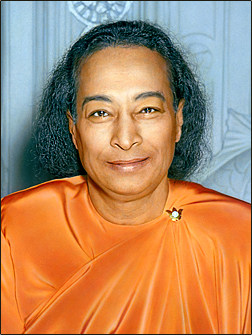
Transforming Shadows into Light: The Alchemy of Cheerfulness
Paramahansa Yogananda invites us to transcend the inevitable dark clouds of bad moods that can obscure our inner light. He encourages us to not merely endure these moments but to actively transform them through the warmth of our good cheer. This notion of resilience is vital in our fast-paced, often tumultuous lives, where emotional turbulence can feel overwhelming. By embracing cheerfulness as a transformative force, we can cultivate a more profound sense of peace and joy, regardless of external circumstances.
In a world where negativity can easily take root, Yogananda's wisdom serves as a beacon of hope. The act of "roasting" our bad moods in the fire of cheerfulness suggests a dynamic interplay between our inner state and our emotional experiences. It is an invitation to engage with our feelings, not as passive observers but as active participants in our emotional landscape. This perspective is not only empowering but also essential for fostering resilience and a deeper connection to our true selves.
The image / the metaphor
The imagery in Yogananda's quote is rich and evocative. The "dark clouds of bad moods" conjure a vivid picture of emotional heaviness, suggesting that these moods can obscure our clarity and joy. The choice of the verb "roast" implies a transformative process, one that requires heat and energy to change the state of something. This metaphor speaks to the active role we must take in our emotional lives; it is not enough to simply wait for the clouds to pass. Instead, we must engage with them, using the fire of our good cheer to transmute negativity into positivity.
Diving deeper into this metaphor, we can see that the act of roasting is not merely about obliterating bad moods but rather about transforming them into something useful and nourishing. Just as fire can turn raw ingredients into a delicious meal, our cheerfulness can convert the bitterness of negativity into the sweetness of resilience. This alchemical process requires intention and effort, reminding us that our emotional states are not fixed but are malleable and subject to our influence.
In the speaker's tradition
Yogananda's teachings are deeply rooted in the spiritual tradition of Hinduism, where concepts such as dharma and bhakti play significant roles. Dharma, or one's duty, encourages individuals to act in accordance with their true nature, which includes cultivating a positive mindset. Bhakti, the path of devotion, emphasizes love and surrender to the divine, suggesting that our cheerfulness can be a form of devotion to the higher self. In this context, the act of transforming bad moods into cheerfulness becomes not just a personal endeavor but a spiritual practice that aligns us with our higher purpose.
In the Bhagavad Gita, Lord Krishna speaks of maintaining equanimity in both joy and sorrow, a principle that resonates with Yogananda's message. The Gita teaches that true wisdom lies in our ability to remain centered amidst life's fluctuations. This idea of equanimity is echoed in Yogananda's call to roast our bad moods; it is a reminder that our emotional experiences are transient and that we have the power to choose our responses. By cultivating cheerfulness, we align ourselves with the teachings of the Gita and the broader spiritual wisdom of Hinduism.
Living the teaching
Consider a modern scenario where this teaching can be applied: imagine a day at work where everything seems to go wrong. Meetings are canceled, deadlines loom, and frustration begins to build. In such moments, Yogananda's advice to "roast" these bad moods can serve as a powerful reminder. Instead of succumbing to negativity, one might take a moment to breathe deeply, reflect on the things they are grateful for, and consciously choose to approach the day with a sense of humor and lightness. This shift in perspective can transform a challenging day into an opportunity for growth and resilience.
Another application of this teaching can be found in relationships, particularly during conflicts. When disagreements arise, it is easy to fall into a cycle of blame and resentment. However, by embracing the spirit of cheerfulness, one can approach the situation with compassion and understanding. Instead of allowing dark clouds of anger to dominate the conversation, one might choose to infuse the dialogue with kindness and humor, thereby creating a space for healing and connection. This practice not only fosters healthier relationships but also cultivates a deeper sense of inner peace.
A reflection
As we contemplate Yogananda's wisdom, we are invited to reflect on our own emotional landscapes. How often do we allow the dark clouds of bad moods to overshadow our inner light? In what ways can we actively cultivate cheerfulness, even in the face of adversity? These questions encourage us to engage with our emotional experiences thoughtfully, transforming them into opportunities for growth and resilience. By embracing the fire of good cheer, we can illuminate our paths and inspire those around us.



