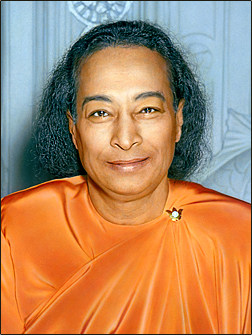
Planting the Seeds of Love in the Heart's Garden
Paramahansa Yogananda's profound assertion, "In the garden of thy heart, plant naught but the rose of love," invites us to cultivate a space within ourselves that is exclusively dedicated to love. This metaphorical garden represents our inner world, where the seeds we choose to plant can flourish into beautiful expressions of devotion and compassion. The stakes are high; in a world often overshadowed by negativity and discord, nurturing love within our hearts can transform not only our own lives but also the lives of those around us.
To delve deeper into this wisdom, we must recognize that the heart is not merely an organ but a sacred space where our deepest emotions and intentions reside. Yogananda's call to plant only the "rose of love" suggests a deliberate choice to cultivate positivity and beauty in our emotional landscape. This teaching resonates with the essence of spiritual growth, urging us to be mindful of what we allow to take root within us, as it ultimately shapes our interactions and experiences in the world.
The image / the metaphor
The imagery of a garden is rich and evocative, conjuring visions of vibrant colors, fragrant blooms, and the nurturing hands of a gardener. In this metaphor, the heart is depicted as a fertile ground, capable of producing either the thorns of bitterness or the blossoms of love. The choice of the rose, a flower often associated with beauty and passion, emphasizes the transformative power of love. It suggests that love, when cultivated with care, can flourish and bring joy, not just to ourselves but to others as well.
Going deeper into this metaphor, we can see that the act of planting requires intention and effort. Just as a gardener must prepare the soil, choose the right seeds, and tend to the plants, we too must consciously decide what emotions and thoughts we nurture in our hearts. The rose symbolizes not only love but also the challenges that come with it—its thorns remind us that love can sometimes be painful, yet it is through these experiences that we grow and deepen our understanding of compassion and connection.
In the speaker's tradition
Paramahansa Yogananda's teachings are deeply rooted in the tradition of Hinduism, where concepts such as bhakti (devotion) and dharma (righteous duty) play a crucial role in the spiritual journey. The notion of planting love in the heart aligns with the practice of bhakti, which emphasizes surrendering oneself to divine love and cultivating a relationship with the divine through devotion. This path encourages us to let go of ego and embrace a selfless love that transcends personal desires, allowing us to connect with the universal spirit.
In the Bhagavad Gita, a foundational text in Hindu philosophy, the importance of love and devotion is echoed in the teachings of Krishna, who emphasizes the significance of surrendering to love as a means of attaining spiritual liberation. The Gita teaches that when we align our actions with love and compassion, we fulfill our dharma and contribute to the greater good. Yogananda's quote serves as a reminder that our inner garden must be tended to with the same care and devotion we would offer to a sacred text or a beloved deity.
Living the teaching
Consider a modern scenario where this teaching can be applied: imagine a workplace filled with tension and competition. In such an environment, one might feel tempted to harbor resentment or engage in negative gossip. However, by consciously choosing to plant the rose of love in this garden, one can approach colleagues with kindness and understanding, fostering a culture of collaboration instead of rivalry. This shift not only enhances personal well-being but also transforms the collective atmosphere, creating a ripple effect of positivity.
Another application of this teaching can be found in personal relationships, especially during challenging moments. When faced with conflict or misunderstanding, the instinct may be to react defensively or to withdraw emotionally. Yet, by remembering Yogananda's wisdom, one can choose to respond with love and empathy, seeking to understand the other person's perspective. This practice of planting love in the heart during difficult times can lead to deeper connections and healing, reinforcing the idea that love is a powerful force capable of overcoming obstacles.
A reflection
As we contemplate Yogananda's invitation to cultivate love in our hearts, we might ask ourselves: What seeds am I currently planting in the garden of my heart? Are they nurturing compassion and understanding, or are they rooted in fear and resentment? This question encourages us to reflect on our emotional landscape and to take responsibility for the energies we cultivate, reminding us that the choice to plant love is always within our reach.



