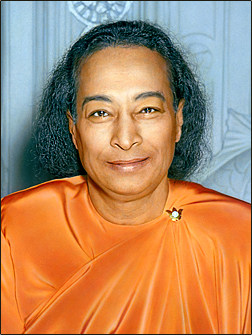
Illuminating the Darkness: The Transformative Power of Light
Paramahansa Yogananda's poignant assertion that "It doesn't matter if a cave has been in darkness for 10,000 years or half an hour, once you light a match, it is illuminated" speaks to the profound potential for transformation inherent in every moment of our lives. This quote invites us to consider the nature of hope and renewal, suggesting that no matter how entrenched we may feel in our struggles or despair, a single act of illumination can shift our entire experience. The stakes are high; in a world often shrouded in darkness, the promise of light beckons us toward awakening and possibility.
In a deeper sense, Yogananda's words remind us that the duration of our suffering does not diminish the power of change. Whether we have been lost in the shadows for years or merely moments, the act of bringing light into our lives can catalyze a profound transformation. This illumination is not merely a physical phenomenon but a spiritual awakening, a reminder that within each of us lies the capacity to shift from darkness to light, from ignorance to understanding, and from despair to hope.
The image / the metaphor
The imagery of a cave steeped in darkness serves as a powerful metaphor for the human condition. Darkness here symbolizes ignorance, fear, and despair, while the match represents the spark of awareness, insight, or divine grace that can dispel that darkness. The choice of verbs—"light" and "illuminated"—evokes a sense of agency and transformation, suggesting that the act of bringing light is both an external action and an internal awakening. The felt sense of this metaphor resonates deeply; it speaks to the universal experience of feeling lost and the simultaneous yearning for clarity and understanding.
In the speaker's tradition
Paramahansa Yogananda's teachings are deeply rooted in the spiritual traditions of Hinduism, particularly the concepts of dharma and bhakti. Dharma, or the path of righteousness, encourages us to seek our true purpose and align our actions with the greater good. In this context, the act of lighting a match in the cave symbolizes the fulfillment of our dharma, as we illuminate not only our own path but also the paths of others. Bhakti, or devotion, further enriches this understanding, as it emphasizes the importance of surrendering to a higher power that guides us toward light and understanding.
In the Bhagavad Gita, a foundational text of Hindu philosophy, we find echoes of Yogananda's message. The Gita teaches that even in the darkest moments of life, one can find solace and guidance through devotion and self-inquiry. The verse "When the mind is pure, the heart is pure, and the soul is pure, then the light of the Divine shines forth" resonates with Yogananda's assertion that illumination is always available, waiting for us to embrace it. This connection between light and spiritual awakening is a recurring theme in Hindu thought, reminding us that the journey from darkness to light is both personal and universal.
Living the teaching
Consider a modern scenario where this teaching resonates: a person grappling with feelings of isolation and despair due to a challenging life circumstance, such as the loss of a job or the end of a relationship. In this moment of darkness, the act of reaching out to a friend or seeking support can serve as the match that ignites a new perspective. By allowing vulnerability and connection, the individual begins to illuminate their path forward, discovering new opportunities and insights that were previously obscured by fear and uncertainty.
Another application of this teaching can be found in the realm of relationships. Imagine a couple facing a significant conflict, where misunderstandings and resentment have created a chasm between them. By choosing to engage in open and honest communication—essentially lighting the match of truth and vulnerability—they can illuminate the underlying issues and foster a deeper understanding of one another. This act of illumination not only transforms their relationship but also serves as a reminder that even the most entrenched darkness can be dispelled through the light of love and compassion.
A reflection
As we contemplate Yogananda's profound insight, we are invited to reflect on our own lives: What areas of darkness persist, and what small acts of illumination can we bring forth to transform our experience? This question encourages us to explore the nature of our struggles and the potential for change that lies within our reach. In recognizing that even the longest periods of darkness can be met with the light of awareness, we open ourselves to the possibility of renewal and hope.



