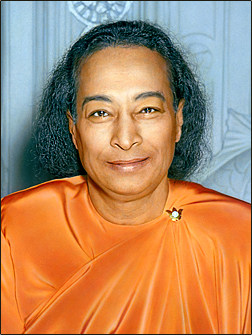
The Invincible Host of Joy
Paramahansa Yogananda's assertion that one should "resolve to always keep happy" speaks to the profound power of joy as a bulwark against life's inevitable challenges. In a world often fraught with difficulties, the cultivation of happiness becomes not merely a personal endeavor but a spiritual imperative. This quote invites us to consider how our inner state can shape our external experiences, suggesting that joy is not a fleeting emotion but a steadfast companion that can fortify us in adversity.
Yogananda's words resonate deeply in a culture that frequently equates happiness with external circumstances. By framing joy as a resolute choice, he encourages us to transcend the transient nature of worldly pleasures and tap into a deeper, more abiding sense of well-being. This perspective is essential, as it empowers individuals to navigate life's storms with resilience, transforming challenges into opportunities for growth and deeper understanding.
The image / the metaphor
The imagery in Yogananda's quote evokes a sense of agency and strength. The phrase "invincible host" conjures an image of a formidable army, suggesting that joy can serve as a protective force, rallying our inner resources against the trials we face. The verbs "resolve" and "keep" imply a commitment and ongoing effort, emphasizing that happiness is not a passive state but an active choice that requires diligence and intention.
In the speaker's tradition
Paramahansa Yogananda's teachings are rooted in the rich spiritual tradition of Hinduism, where concepts such as dharma and bhakti play pivotal roles. Dharma, or one's duty, encourages individuals to act in accordance with their true nature, while bhakti emphasizes devotion and love for the divine. In this context, the resolution to maintain happiness can be seen as an expression of one's dharma, aligning personal joy with a higher purpose and fostering a sense of connection to the divine.
Moreover, Yogananda's emphasis on joy resonates with the teachings found in the Bhagavad Gita, where Krishna advises Arjuna to act without attachment to the fruits of his actions. This principle of selfless action, or karma yoga, underscores the importance of maintaining equanimity in the face of life's challenges. By cultivating joy as a steadfast companion, we can navigate our responsibilities with grace and resilience, embodying the essence of both dharma and bhakti.
Living the teaching
Consider a modern scenario where this teaching might apply: a professional facing a demanding work environment filled with stress and uncertainty. In such a context, the choice to "keep happy" can serve as a powerful antidote to anxiety and overwhelm. By consciously focusing on gratitude, positive interactions, and the joy of small accomplishments, one can transform the workplace into a space of resilience and creativity, effectively creating an "invincible host" that counters the pressures of deadlines and expectations.
In personal relationships, the application of Yogananda's teaching can be equally transformative. Imagine navigating a difficult conversation with a loved one, where emotions run high and misunderstandings abound. By resolving to maintain a joyful disposition, one can approach the dialogue with compassion and openness, fostering an atmosphere of understanding rather than conflict. This commitment to joy not only enhances the quality of the interaction but also strengthens the bonds of connection, illustrating how happiness can serve as a bridge in times of difficulty.
A reflection
As we contemplate Yogananda's wisdom, we are invited to reflect on our own relationship with joy. How often do we consciously choose happiness in the face of adversity? In what ways can we cultivate a more resilient spirit that embraces joy as a steadfast ally? This contemplation encourages us to explore the depths of our inner landscape, inviting us to recognize the transformative power of joy in our lives.



