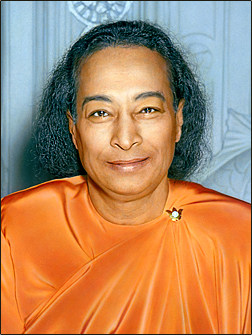
The Flow of Divine Grace: Understanding the Guru-Disciple Relationship
Paramahansa Yogananda's assertion that "the guru is a channel through which God's blessings flow to the devoted disciple" encapsulates a profound spiritual truth about the nature of guidance and divine grace. In this statement, Yogananda highlights the essential role of the guru in the spiritual journey, suggesting that the guru serves as a conduit for divine blessings, facilitating a deeper connection between the disciple and the divine. This relationship is not merely transactional; it is a sacred bond that fosters spiritual growth and transformation.
In a world often characterized by disconnection and distraction, the idea of a guru as a channel for divine blessings invites us to reconsider our sources of wisdom and support. It emphasizes the importance of seeking guidance from those who have traversed the spiritual path and can illuminate our way. This teaching resonates deeply within the context of Hindu philosophy, where the guru-disciple relationship is revered as a vital aspect of spiritual evolution, underscoring the transformative power of love, devotion, and surrender.
The image / the metaphor
The imagery in Yogananda's quote evokes a sense of fluidity and connection, suggesting that blessings are not static but rather flow like a river through the guru to the disciple. The term "channel" implies an active process, where the guru is not merely a passive figure but an engaged participant in the spiritual journey. This dynamic relationship is characterized by trust, devotion, and an openness to receive divine grace, which can manifest in various forms—insight, healing, or a sense of peace.
Diving deeper into the metaphor, we can see that the flow of blessings represents the transmission of spiritual energy and wisdom. Just as a river nourishes the land it traverses, the guru's guidance nourishes the disciple's spiritual growth. This flow is reciprocal; the disciple's devotion and commitment to the path enhance the channeling of blessings, creating a harmonious exchange that enriches both parties. The guru, therefore, embodies the qualities of love, compassion, and wisdom, serving as a living example of the divine presence in the world.
In the speaker's tradition
Within the framework of Hinduism, the concept of the guru is deeply intertwined with the principles of bhakti (devotion) and dharma (righteous duty). Yogananda's teachings reflect the belief that the guru embodies divine qualities and serves as a guide to help disciples navigate the complexities of life and spirituality. This relationship is often seen as a manifestation of divine love, where the guru's blessings facilitate the disciple's journey toward self-realization and union with the divine.
Moreover, this notion finds resonance in texts such as the Bhagavad Gita, where Krishna serves as a divine guide to Arjuna, illuminating the path of righteousness and self-discovery. The Gita emphasizes the importance of surrendering to a higher wisdom, echoing Yogananda's assertion that the guru channels God's blessings. In this light, the guru is not merely a teacher but a divine embodiment of wisdom, guiding the disciple toward the realization of their true nature.
Living the teaching
Consider a modern scenario where an individual grapples with a significant life decision—perhaps a career change or a personal crisis. In such moments of uncertainty, seeking guidance from a mentor or spiritual teacher can provide clarity and direction. The guru's role as a channel of divine blessings becomes evident as the disciple opens themselves to receive insights and support, allowing them to navigate their challenges with greater confidence and grace.
A reflection
As we contemplate Yogananda's profound insight, we are invited to reflect on our own relationship with guidance and divine grace. In what ways do we seek out channels of wisdom in our lives, and how open are we to receiving the blessings that flow through them? This question encourages us to consider the importance of surrendering to the guidance of those who have walked the path before us, allowing their light to illuminate our own journey toward spiritual awakening.



