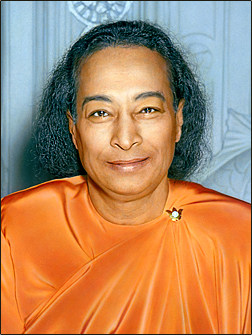
The Divine Presence in Every Breath
Paramahansa Yogananda's assertion that "Those who think of God in every moment of their waking life are the ones who develop spiritually" invites us to consider the profound implications of a life steeped in divine awareness. This quote emphasizes the transformative power of constant contemplation of the divine, suggesting that such a practice is not merely beneficial but essential for spiritual growth. In a world often distracted by the mundane, this call to mindfulness serves as a beacon, guiding seekers toward a deeper connection with the divine essence that permeates all existence.
To think of God in every moment is to cultivate a consciousness that transcends the ordinary. It is an invitation to weave the sacred into the fabric of daily life, transforming routine actions into acts of devotion. This perspective not only enriches our spiritual journey but also fosters a sense of unity with the cosmos, reminding us that the divine is not separate from our experiences but rather an integral part of them. In this light, Yogananda's words challenge us to examine the depth of our awareness and the sincerity of our spiritual practice.
The image / the metaphor
At the heart of Yogananda's quote lies a vivid imagery of constant connection—a thread that binds the seeker to the divine in every waking moment. The verbs "think" and "develop" suggest an active engagement, a dynamic relationship with God that requires both intention and effort. This imagery evokes a sense of ongoing dialogue, where the divine presence is not a distant concept but a living reality that informs our thoughts, actions, and interactions. The felt sense of this connection is one of warmth, intimacy, and profound significance, as if each moment is an opportunity to deepen our understanding of the divine.
Diving deeper into the metaphor, we can envision the act of thinking of God as a practice akin to breathing—essential and life-giving. Just as we inhale and exhale without conscious thought, so too can we cultivate a habitual awareness of the divine. This metaphor underscores the idea that spiritual development is not a destination but a continuous journey, where each moment of divine contemplation enriches our inner landscape. In this way, Yogananda invites us to see our spiritual practice as a living, breathing entity that evolves with us, shaping our perceptions and experiences.
In the speaker's tradition
Paramahansa Yogananda's teachings are deeply rooted in the rich tapestry of Hindu philosophy, where concepts such as bhakti (devotion) and dharma (righteous duty) play pivotal roles in spiritual development. The notion of thinking of God in every moment aligns closely with the practice of bhakti, which emphasizes a heartfelt devotion to the divine as a means of attaining spiritual realization. This devotion is not merely an emotional experience but a disciplined practice that cultivates an unwavering focus on the divine, allowing the seeker to transcend the limitations of the ego and experience a profound sense of unity with all that is.
Moreover, Yogananda's emphasis on continuous divine awareness resonates with the teachings found in texts such as the Bhagavad Gita, where Lord Krishna encourages Arjuna to maintain a steady mind and to remember God in all actions. This call to mindfulness and devotion is echoed in the concept of prajna, or wisdom, which arises from a deep understanding of the interconnectedness of all life. By integrating these teachings into our daily lives, we can cultivate a spiritual practice that not only honors the divine but also fosters a sense of purpose and clarity in our actions.
Living the teaching
Consider a modern scenario where this teaching might resonate: a busy professional navigating the demands of work and personal life. In the midst of deadlines and responsibilities, the practice of thinking of God can serve as a grounding force, transforming moments of stress into opportunities for connection. For instance, during a hectic day, one might pause to take a deep breath, invoking a sense of divine presence, allowing the pressures of the day to dissolve in the light of that awareness. This simple act of remembrance can shift the entire experience, infusing it with grace and purpose.
In a different context, imagine a challenging relationship where misunderstandings and conflicts arise. By consciously invoking the divine in moments of tension, one can cultivate compassion and patience, viewing the other person through the lens of divine love. This practice not only aids in resolving conflicts but also deepens the spiritual bond between individuals, transforming interactions into sacred exchanges. In both scenarios, the act of thinking of God becomes a transformative practice, guiding us toward greater awareness and connection.
A reflection
As we contemplate Yogananda's profound insight, we are invited to reflect on our own lives: How often do we consciously think of God in our daily activities? This question encourages us to examine the depth of our spiritual practice and the ways in which we can integrate divine awareness into every moment. In doing so, we may discover that the path to spiritual development is not found in grand gestures but in the simple, consistent act of remembering the divine presence that is always with us.



