The Art of Letting Go: A Journey to Self-Discovery
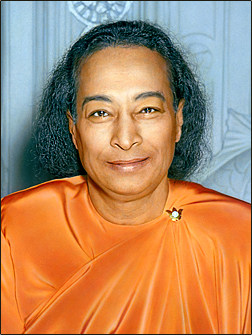
Paramahansa Yogananda's quote, "What comes of itself, let it come. What goes of itself, let it go. Find out what you are," invites us into a profound exploration of existence and identity. In a world often characterized by clinging and striving, this wisdom encourages a gentle acceptance of life’s natural rhythms. It speaks to the heart of self-inquiry, urging us to discern our true essence amidst the transient nature of experiences and attachments. The stakes are high; in embracing this teaching, we may uncover a deeper understanding of ourselves and our place in the universe.
At its core, this quote challenges us to confront the dualities of gain and loss, presence and absence. It suggests that our journey toward self-realization is not about accumulating or resisting but rather about allowing life to unfold as it will. By letting go of what no longer serves us and welcoming what arrives organically, we create space for authentic self-discovery. This process is not merely passive acceptance; it is an active engagement with the essence of our being, a call to recognize the impermanence of all things while remaining anchored in our true self.
The image / the metaphor
The imagery in Yogananda's words evokes a sense of fluidity and grace. The verbs "come" and "go" suggest a natural flow, reminiscent of the tides or the changing seasons. This metaphor of movement captures the essence of life’s impermanence, reminding us that experiences, emotions, and even relationships are transient. The invitation to "let it come" and "let it go" embodies a dance with existence, encouraging us to embrace the unfolding of life without resistance or attachment.
Diving deeper into this metaphor, we can see it as a reflection of the broader cosmic dance of creation and dissolution. Just as the universe is in a constant state of flux, so too are our lives. By recognizing that what comes and goes is part of a larger tapestry, we can cultivate a sense of detachment that does not equate to indifference. Instead, it becomes an appreciation of the beauty in transience, allowing us to engage fully with the present moment while remaining aware of its ephemeral nature.
In the speaker's tradition
Paramahansa Yogananda's teachings are deeply rooted in the spiritual tradition of Hinduism, particularly the concepts of dharma and self-realization. The notion of letting go aligns with the principle of *samsara*, the cycle of birth, death, and rebirth, where attachment leads to suffering. By practicing detachment, we align ourselves with our true dharma, or life purpose, allowing us to navigate the complexities of existence with grace and clarity. This journey toward self-discovery is also echoed in the concept of *kenosis*, the self-emptying that opens us to divine presence.
In the *Bhagavad Gita*, a foundational text of Hindu philosophy, Lord Krishna advises Arjuna to perform his duty without attachment to the results. This teaching resonates with Yogananda's message, emphasizing that true fulfillment arises not from clinging to outcomes but from understanding our intrinsic nature. By engaging in self-inquiry and recognizing the impermanence of all things, we can cultivate a deeper connection to our authentic selves, moving beyond the illusions of the material world.
Living the teaching
Consider a modern scenario where this teaching might resonate: a professional facing the uncertainty of a job loss. The instinct to cling to the familiar can be overwhelming, yet Yogananda's wisdom encourages a different approach. By allowing the situation to unfold without resistance, the individual may discover new opportunities that align more closely with their true passions and skills. This process of letting go can lead to a profound transformation, revealing aspects of the self that were previously obscured by attachment to a specific role or identity.
In the realm of relationships, this teaching can also provide clarity during difficult moments. Imagine a friendship that has run its course; the pain of letting go can feel insurmountable. Yet, by embracing Yogananda's guidance, one can recognize that relationships, like all things, are subject to change. Allowing the friendship to dissolve naturally can create space for new connections that resonate more authentically with one's evolving self. This practice of detachment does not diminish love; rather, it honors the journey of both individuals involved.
A reflection
As we contemplate Yogananda's profound words, we are invited to engage in a moment of introspection. What attachments are we holding onto that no longer serve our growth? In what areas of our lives can we practice the art of letting go, allowing ourselves to be open to new possibilities? By reflecting on these questions, we can begin to uncover the layers of our identity, moving closer to the essence of who we truly are.