The Clarity of Calm: Perception Beyond the Mind
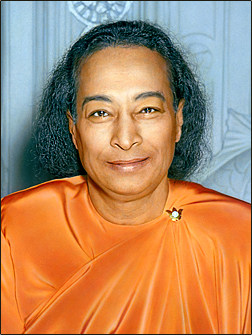
Paramahansa Yogananda's assertion that "when the mind is calm, how quickly, how smoothly, how beautifully you will perceive everything" invites us to explore the profound relationship between mental tranquility and clarity of perception. In a world often characterized by chaos and distraction, this statement serves as a gentle reminder of the transformative power of a serene mind. The stakes are high; our ability to engage with life meaningfully hinges on our capacity to cultivate inner peace, which in turn shapes our experiences and interactions.
Yogananda's words resonate deeply within the context of modern life, where the incessant noise of thoughts and external stimuli can cloud our judgment and distort our understanding. The calmness he speaks of is not merely the absence of turmoil but a state of being that allows us to perceive the world with clarity and beauty. This clarity is essential for navigating the complexities of existence, enabling us to respond to life’s challenges with grace and insight rather than reactivity and confusion.
The image / the metaphor
The imagery in Yogananda's quote evokes a serene landscape, where a still pond reflects the sky without distortion. The verbs "perceive," "quickly," "smoothly," and "beautifully" suggest a fluidity and ease that emerges from a tranquil mind. This calmness acts as a lens, sharpening our focus and allowing us to see the world in its true form, unclouded by the turbulence of our thoughts and emotions. The beauty of perception lies not just in what we see, but in how we see it—through a lens of peace.
Diving deeper into the metaphor, we can understand that the mind's calmness is akin to the stillness of water, which reveals the depths beneath its surface. When we cultivate this stillness, we allow our true nature to emerge, unencumbered by the distractions of daily life. The beauty of perception, then, is not merely in the external world but also in the internal landscape of our consciousness, where clarity and insight flourish in the absence of mental clutter.
In the speaker's tradition
Yogananda's teachings are deeply rooted in the rich tradition of Hindu philosophy, where concepts such as dharma (righteous duty), prajna (wisdom), and bhakti (devotion) play pivotal roles in understanding the self and the universe. The calm mind he advocates is essential for discerning one's dharma, as it allows for a deeper connection to the inner self and the divine. In this state, one can experience a sense of sunyata, or emptiness, which is not a void but a space of potential where clarity and insight can arise.
In the Bhagavad Gita, a foundational text in Hindu philosophy, Lord Krishna emphasizes the importance of equanimity and the ability to remain undisturbed by external circumstances. This aligns beautifully with Yogananda's perspective, as both teachings highlight the necessity of a calm mind for true understanding and perception. The Gita teaches that through disciplined practice and devotion, one can achieve a state of inner peace that enhances perception and leads to a more profound engagement with life.
Living the teaching
Consider a modern scenario where this teaching can be applied: imagine a busy professional navigating a high-stress work environment. In moments of overwhelming pressure, the ability to pause, breathe, and cultivate a calm mind can transform the experience. Instead of reacting impulsively to challenges, the individual can approach problems with clarity and composure, leading to more effective solutions and a harmonious workplace atmosphere. This practice of calmness not only enhances personal well-being but also positively influences those around them.
In relationships, the teaching of calm perception can be equally transformative. During conflicts or misunderstandings, a calm mind allows for deeper listening and empathy. Instead of becoming defensive or reactive, one can respond with understanding and compassion, fostering a more profound connection. By practicing mindfulness and cultivating inner peace, individuals can navigate the complexities of human interaction with grace, leading to healthier and more fulfilling relationships.
A reflection
As we contemplate Yogananda's insight, we are invited to reflect on our own experiences: How often do we allow the chaos of our minds to cloud our perception of reality? In what ways can we cultivate a greater sense of calm to enhance our understanding and appreciation of the world around us? This inquiry encourages us to explore the practices that can lead us to a more serene state of being, ultimately enriching our lives and the lives of those we encounter.



