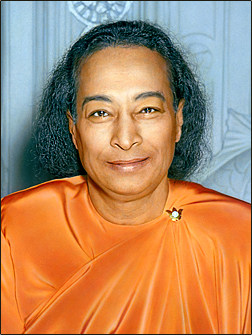
The Gift of Peace: Navigating Moods in Spiritual Practice
Paramahansa Yogananda's poignant observation, "Why be moody? By being moody you lose the greatest gift that God has given you — your peace," invites us to reflect on the nature of our emotional states and their impact on our spiritual well-being. In a world rife with distractions and emotional turbulence, this quote serves as a gentle reminder of the importance of maintaining inner tranquility. The stakes are high; our ability to experience peace directly influences our capacity for joy, connection, and spiritual growth.
Yogananda's words resonate deeply in a culture that often glorifies emotional expression, sometimes at the expense of our inner serenity. The notion of being "moody" suggests a surrender to transient feelings that can cloud our perception and disrupt our inner harmony. By recognizing that peace is a divine gift, we are encouraged to cultivate a mindset that prioritizes this essential state of being over the fleeting nature of our moods. This shift in perspective can transform our daily experiences and deepen our spiritual practice.
The image / the metaphor
At first glance, Yogananda's quote presents a straightforward dichotomy between moodiness and peace. The imagery of losing something precious—a gift from God—evokes a sense of urgency and importance. The verbs "be" and "lose" imply a choice, suggesting that we have agency over our emotional states. The felt sense of this quote is one of gentle admonition, urging us to recognize the power we hold in shaping our inner landscape.
Diving deeper into the metaphor, we can see that moodiness represents a temporary state of being, often influenced by external circumstances or internal narratives. In contrast, peace is portrayed as a stable, enduring quality that transcends the vicissitudes of life. This juxtaposition invites us to consider how often we allow our moods to dictate our experience, rather than anchoring ourselves in the deeper, more abiding presence of peace that is always available to us.
In the speaker's tradition
Paramahansa Yogananda, a key figure in the introduction of Eastern spirituality to the West, draws from the rich tapestry of Hindu philosophy. Concepts such as dharma, the moral order of the universe, and bhakti, the path of devotion, are integral to understanding his teachings. Moodiness can be seen as a deviation from one's dharma, leading us away from our true purpose and the peace that accompanies it. In this light, Yogananda's call to relinquish moodiness becomes a call to align with our higher selves and the divine order.
In the Bhagavad Gita, a foundational text in Hinduism, Krishna advises Arjuna to rise above dualities such as pleasure and pain, success and failure. This teaching echoes Yogananda's sentiment, emphasizing the importance of maintaining equanimity in the face of life's challenges. By cultivating a steady mind and heart, we can access the peace that is our birthright, allowing us to navigate the world with grace and purpose.
Living the teaching
Consider a modern scenario where this teaching might resonate: a busy professional facing the pressures of deadlines and expectations. In moments of stress, it is easy to succumb to moodiness, allowing frustration and anxiety to overshadow one's sense of peace. By consciously choosing to step back and reconnect with the inner stillness, the individual can transform their experience, approaching challenges with a calm and centered mindset. This practice not only enhances personal well-being but also positively influences interactions with colleagues and clients.
In a relational context, imagine a disagreement between partners. The natural inclination may be to react emotionally, allowing moodiness to dictate responses. However, by embracing Yogananda's wisdom, one can choose to pause, breathe, and seek the underlying peace that exists within. This shift not only fosters healthier communication but also deepens the connection between partners, as they navigate their differences with compassion and understanding.
A reflection
As we contemplate Yogananda's profound insight, we are invited to consider the ways in which we allow our moods to overshadow our peace. What practices can we implement to cultivate a more peaceful state of being, even amidst life's inevitable ups and downs? Reflecting on this question can guide us toward a deeper understanding of ourselves and our relationship with the divine gift of peace.



